Lab Automation · LIS/LIMS Software
A Cloud LIS for Urgent Care Laboratory Workflows
What should an urgent care lab expect from its LIS?
An urgent care LIS should help staff manage orders, specimens, analyzer results, review, and timely report delivery during a busy clinic day. Confirm the exact test menu, instrument models, EMR workflow, access permissions, and support arrangements rather than assuming every connection is included.

Optimizing Laboratory Operations for Fast-Paced Urgent Care Facilities
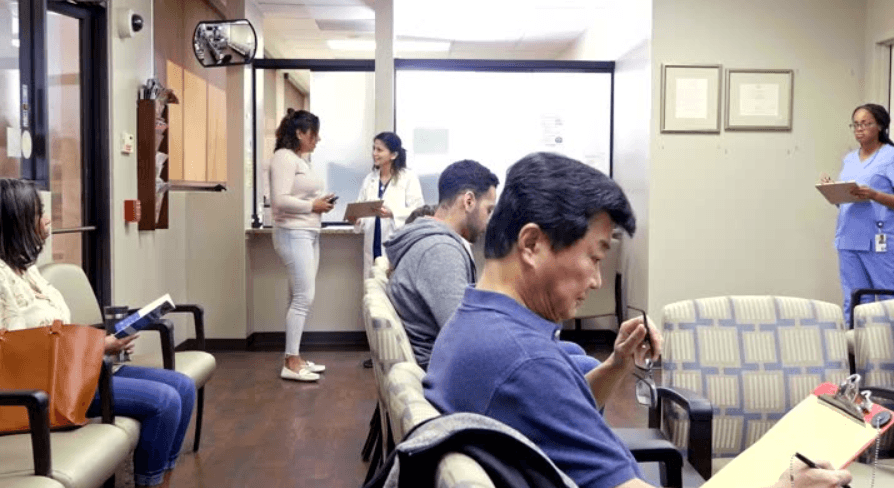
In today's healthcare landscape, urgent care centers play a vital role in delivering prompt medical attention for non-emergency conditions. With patients expecting quick diagnoses and efficient service, having a robust system to handle clinical laboratory workflows is essential. This is where a specialized Laboratory Information System (LIS) tailored for these settings becomes a game-changer, enabling seamless management of tests, results, and integrations while supporting rapid patient throughput. The Urgent Care LIS of choice today must be in the Cloud for easy access and maintenance. Let's explore how Stratus DX LIS is the best choice.
Urgent care facilities often operate with on-site labs that perform a variety of point-of-care and moderate-complexity tests, from basic chemistry panels and hematology to rapid diagnostics for infections. Managing these efficiently requires technology that minimizes errors, accelerates turnaround times, and ensures compliance without adding administrative burden. Stratus DX stands out by offering cloud-based solutions specifically designed to address these demands for urgent care facilities that maintain clinical labs.

Challenges Faced by Urgent Care Laboratories
Urgent care settings face unique pressures. High patient volumes during peak hours demand fast processing of lab orders, specimen handling, and result delivery. Traditional paper-based or outdated systems lead to delays, manual transcription errors, and difficulties in tracking samples across multiple locations if the center expands.
Regulatory requirements add another layer of complexity. HIPAA compliance, quality control standards, and accurate reporting for billing and reimbursement are non-negotiable. Without proper tools, staff spend excessive time on administrative tasks instead of patient care. Instrument integration issues can cause bottlenecks, while lack of real-time visibility into workflows hampers decision-making for providers who need results quickly to treat conditions like strep throat, urinary tract infections, or flu.
Scalability is also a concern. Many urgent care chains open satellite locations, requiring a system that supports unlimited growth without hardware overhauls or downtime. This is precisely the environment where an effective Urgent Care LIS shines, streamlining operations from order entry to final reporting.
How Stratus DX Delivers Comprehensive Solutions
Stratus DX has engineered its platform to meet the complex needs of urgent care laboratories. The system integrates lab automation, quality control, and workflow tools, including seamless EMR integration. This strengthens patient outcomes by significantly improving turnaround times—critical when patients are waiting for answers before heading home or to follow-up care.

One of the standout advantages is its fully cloud-based architecture with robust HIPAA-compliant security. This eliminates the need for on-premise servers, reduces IT maintenance costs, and provides access from anywhere with an internet connection. For multi-location urgent care operations, it supports unlimited satellite lab testing facilities, allowing centralized oversight while maintaining local efficiency.
Key features include:
- Auto-label printing directly from EMR lab orders: This reduces manual labeling errors and speeds up specimen collection at the point of care.
- Unlimited user access with role-based security: Staff, from lab technicians to administrators and clinicians, get appropriate permissions without licensing restrictions that limit growth.
- Instrument integration with barcode labeling: Direct connectivity to analyzers ensures real-time data capture, minimizing transcription mistakes and enabling faster result validation.
- Quality control tools for compliance across all locations: Built-in modules help maintain standards like Levey-Jennings charts or Westgard rules, supporting accreditation and reducing audit risks.
- Comprehensive management reports: A suite of analytics tools provides insights into workflow efficiency, test volumes, turnaround times, and revenue metrics—empowering leaders to optimize operations continuously.
- Enterprise EMR integration: Smooth bidirectional connectivity ensures orders flow seamlessly and results populate patient records instantly, enhancing coordination between lab and clinical teams.
U.S.-based support Monday-Friday, 8 AM-7 PM ET; 24/7 support available as an add-on. BAA available upon request; hosted on AWS and Liquid Web with encryption in transit and at rest and redundant backups.
Real-World Impact on Patient Care and Efficiency
Imagine a busy urgent care center on a Saturday afternoon. A patient presents with symptoms requiring immediate lab work. With Stratus DX, the order is placed in the EMR, auto-generating labels and routing to the appropriate instrument. Results are processed rapidly, quality-checked automatically, and available in the patient's record within minutes. Providers can make informed treatment decisions on the spot, reducing unnecessary prescriptions or referrals while improving satisfaction.
For growing networks, the system's vertical scalability is invaluable. As new facilities open, they inherit the same robust setup without proportional increases in overhead. Unlimited access means no bottlenecks during staffing surges, and enterprise-wide reporting helps identify best practices across sites.
Beyond daily operations, the platform supports advanced needs like pathology workflows or molecular diagnostics if the urgent care lab expands services. Integration with revenue cycle tools can further reduce claims denials, a common pain point in lab billing. Overall, adopting such a solution translates to lower operational costs, higher staff productivity, and better clinical outcomes.
Why Cloud-Based Technology Matters for Modern Urgent Care
Legacy client-server systems often require significant upfront investment and ongoing maintenance, which can strain budgets in competitive urgent care markets. In contrast, the Urgent Care LIS from Stratus DX's cloud model offers predictable subscription pricing and automatic updates, keeping the system current with evolving regulations and technology standards.
Security is paramount in healthcare. The platform's multi-layered protections and continuous monitoring provide peace of mind, especially when handling sensitive patient data across multiple sites. This compliance-focused approach not only mitigates risks but also builds trust with patients and partnering providers.
Moreover, the emphasis on workflow optimization means labs can handle higher test volumes without proportional staff increases. Features like barcode-driven processes and automated QC reduce human error, which studies show can account for a substantial portion of lab-related incidents. Faster, more reliable results directly support the "right care, right time" ethos of urgent care.
Implementation and Support: A Seamless Transition
Transitioning to a new Urgent Care LIS might seem daunting, but Stratus DX prioritizes ease. The team works closely with facilities to configure integrations, train staff, and migrate data with minimal disruption. Ongoing support ensures any issues are resolved swiftly, allowing labs to focus on what matters most: patient care.
For urgent care operators exploring options, scheduling a product demonstration provides hands-on insight into how the system addresses specific pain points. Whether managing a single site or a regional network, the platform adapts to deliver measurable improvements in efficiency and patient throughput.
The Future of Laboratory Management in Urgent Care
As healthcare continues to evolve toward value-based care and digital integration, investing in advanced Urgent Care LIS technology positions urgent care facilities for long-term success. Trends like point-of-care testing expansion, telehealth result sharing, and data-driven population health management will rely heavily on flexible, interoperable systems.
The Stratus DX urgent care LIS not only meets current needs but is built to evolve alongside the industry. Its focus on automation, analytics, and integration ensures urgent care labs remain competitive while delivering exceptional service.
In summary, for urgent care facilities with clinical labs seeking to enhance speed, accuracy, compliance, and scalability, the Stratus DX Urgent Care LIS offers a proven, user-friendly solution. By addressing key operational challenges head-on, it empowers teams to prioritize patient outcomes without compromising efficiency.
To learn ore about the Urgent Care environment please visit these following sites:
American Academy of Urgent Care Medicine (AAUCM): https://aaucm.org/
Urgent Care Association (UCA): https://urgentcareassociation.org/
Frequently asked questions
What is an Urgent Care LIS?
An Urgent Care LIS (Laboratory Information System) is specialized software designed to manage lab workflows in urgent care settings. It handles test ordering, specimen tracking, instrument integration, quality control, and rapid result delivery to support fast patient care.
How does Stratus DX benefit urgent care laboratories?
Stratus DX provides a cloud-based, HIPAA-compliant platform with unlimited user access, auto-labeling, EMR integration, and powerful management reports. It reduces turnaround times, minimizes errors, ensures compliance, and scales easily as your urgent care network grows.
Is Stratus DX suitable for multi-location urgent care centers?
Yes. Stratus DX supports unlimited satellite lab facilities with enterprise-wide integration, centralized reporting, and role-based security, making it ideal for growing urgent care chains.
Does Stratus DX integrate with existing EMR/EHR systems?
Absolutely. Stratus DX offers seamless bidirectional EMR integration, allowing lab orders to flow directly from the EMR and results to populate patient records instantly for improved clinical efficiency.
What kind of support does Stratus DX provide?
U.S.-based support Monday-Friday, 8 AM-7 PM ET; 24/7 support available as an add-on. BAA available upon request; hosted on AWS and Liquid Web with encryption in transit and at rest and redundant backups.