Industry News
Urine Drug Testing Documentation and LIS Security
Can an LIS establish medical necessity or guarantee compliance?
An LIS can organize assessment information, access permissions, and audit history, but software does not itself establish medical necessity or guarantee coverage or compliance. The ordering provider’s documentation, applicable payer policy, and the laboratory’s procedures remain important. Coverage details must be checked for the relevant patient and payer.
Separate security safeguards from coverage decisions
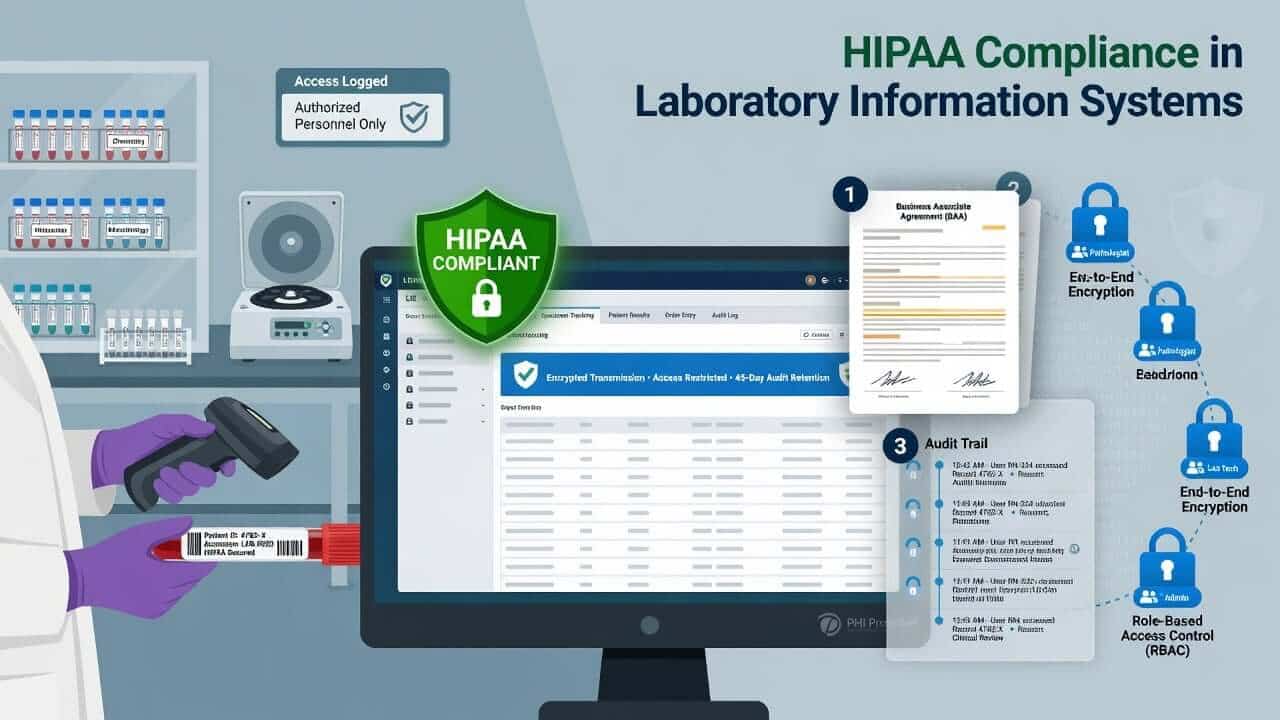
Clinical laboratories handling urine drug testing need workflows for both protected information and supporting documentation. These are related operational concerns, but they are not the same requirement. An LIS can help organize information; it does not itself establish medical necessity, guarantee reimbursement, or make a laboratory compliant.
What belongs in the documentation workflow?
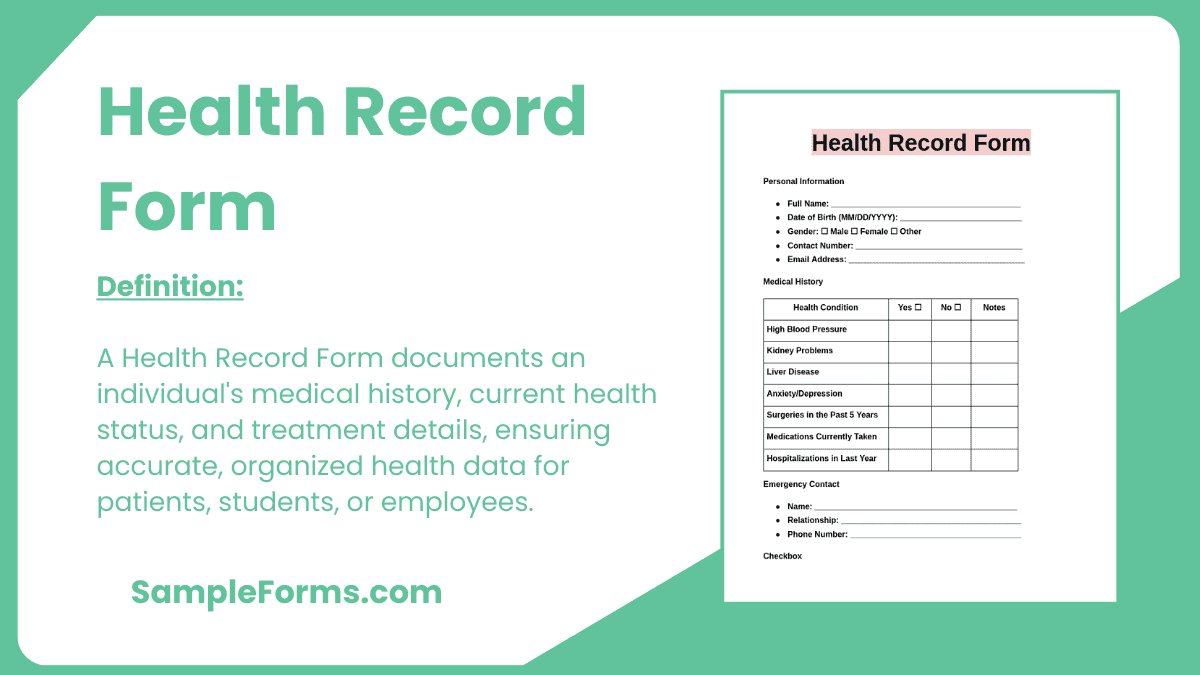
The lab and ordering provider need to identify the information required for the service and payer involved. That may include an order, relevant clinical information, assessment responses, and records explaining the testing decision. Define who supplies the information, who reviews it, and how missing items are resolved.
The CMS Medicare Coverage Database is a source for coverage documents. For example, LCD L34645 is a local coverage determination with its own contractor scope. Its provisions should not be presented as a universal testing schedule for every payer or patient.
Do not turn one example into a blanket frequency rule
Check current coverage and billing guidance for the patient, payer, service, and jurisdiction. A testing-frequency statement copied from one policy may not apply elsewhere. The appropriate ordering decision and documentation need to be established by the responsible clinical and billing teams.
How does LIS security support this work?
Review how staff access assessment information and results, how permissions are assigned, and what audit history is available. Also ask about backup and recovery responsibilities and the local procedures your laboratory must maintain.
The HHS Security Rule overview explains the administrative, physical, and technical safeguards for electronic protected health information. Software features support a lab’s program; they do not replace that program.
Where Stratus DX assessment forms fit
The Stratus DX Assessment Forms Tool helps collect assessment information within a laboratory workflow. Review the forms your team needs, how responses relate to the order, and how the information appears in the relevant output.
Use a demonstration to follow an order with complete information and another with missing information. Confirm how the provider, lab, and billing team will handle each case. The purpose is a workable documentation process, not an automated promise of coverage or payment.
Frequently asked questions
Are HIPAA safeguards and medical necessity the same requirement?
No. HIPAA safeguards address protected health information, while medical necessity and coverage depend on the test, patient circumstances, and applicable payer policy. A laboratory workflow needs to account for both.
Can assessment forms guarantee that a claim will be paid?
No. Assessment forms can organize information for review, but they do not establish coverage or guarantee payment. The provider and laboratory must follow applicable documentation and payer requirements.
Does one testing-frequency limit apply to every patient and payer?
No. Check the current policy and billing guidance that applies to the patient, payer, service, and jurisdiction. Do not treat an example from one local coverage policy as a universal testing schedule.
What should a lab review in its LIS?
Review assessment information, access permissions, audit history, reporting, and how documentation is linked to the ordering workflow. Confirm the features and services included in the lab’s configuration.