
Industry News · LIS/LIMS Software
Insurance Eligibility for Lab Testing: Improving the Workflow
Does an insurance eligibility check guarantee payment?
No. An eligibility response can help verify coverage information, but it does not guarantee that a particular test will be covered or a claim paid. Laboratories should also consider applicable benefits, authorization, medical necessity, and billing requirements. Integrating checks into the ordering workflow can make missing information easier to address.
Insurance Eligibility for Lab Testing
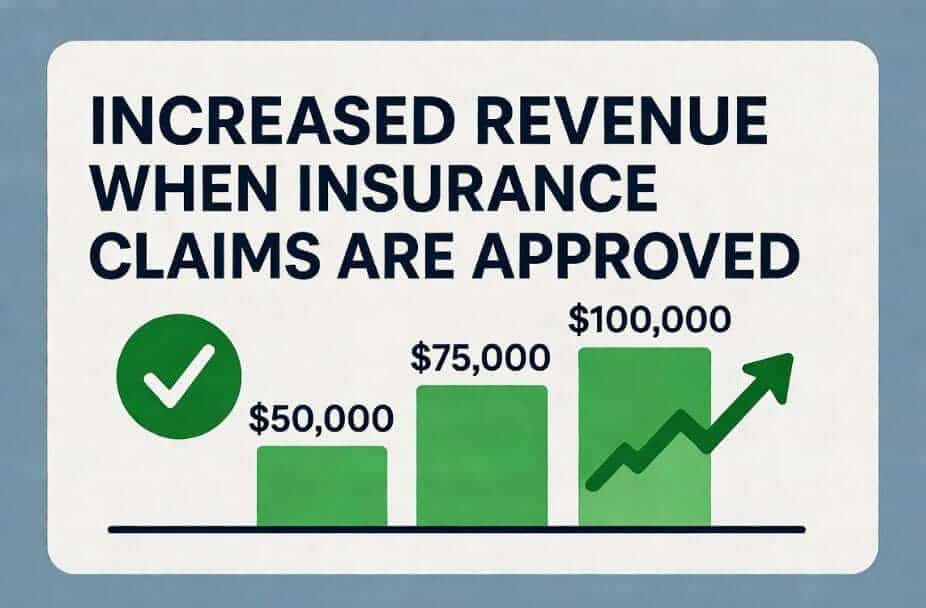
In today’s complex healthcare reimbursement landscape, clinical laboratories face mounting pressure to maintain healthy revenue streams while delivering timely, accurate diagnostic services. One of the most persistent obstacles is the high rate of insurance claim denials, many of which stem from issues that could have been identified much earlier. This makes robust Insurance Eligibility for Lab Testing essential for sustainable operations. Laboratories that invest in systematic approaches to Insurance Eligibility for Lab Testing often see meaningful improvements in clean claim rates and cash flow stability.
Understanding the nuances of Insurance Eligibility for Lab Testing helps lab leaders identify where their current processes may be leaving revenue on the table. When tests are ordered and performed without confirmed coverage, the downstream financial and operational consequences can be substantial. Many labs discover only after results are delivered that the patient’s plan was inactive, benefits were exhausted, or the service required prior authorization that was never obtained.
The Real-World Impact of Inadequate Pre-Test Verification
Automation and integrated workflows can reduce repetitive work. Measure the effect against your laboratory’s own baseline, including manual entry, turnaround time, rework, and staff workload.
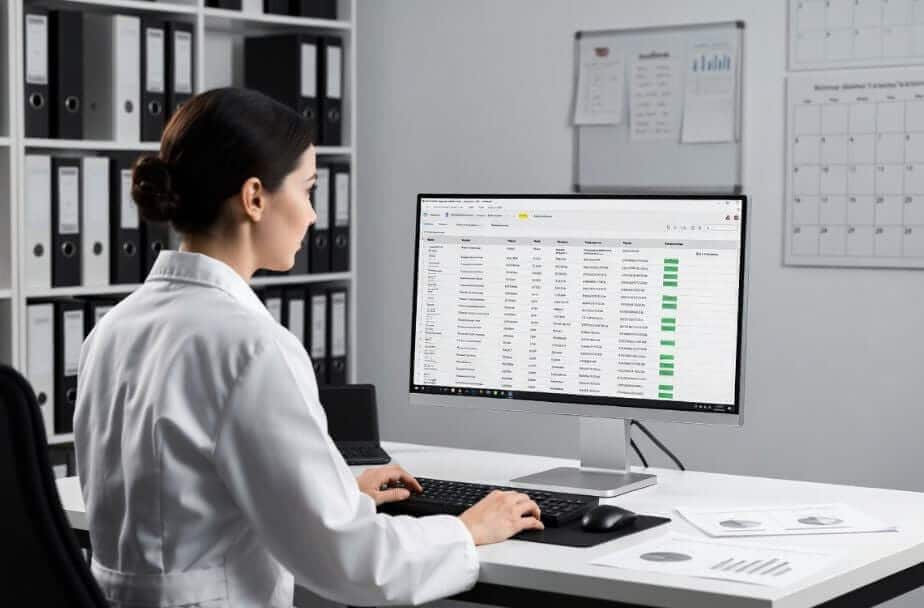
For physician office labs, reference laboratories, and facilities supporting urgent care or outpatient volumes, even a modest percentage of eligibility-related denials can translate into tens of thousands of dollars in monthly leakage. Staff time spent on rework, appeals, and patient follow-up pulls attention away from core testing operations. In some cases, claims are never resubmitted at all, representing permanent revenue loss. Patients may also face unexpected bills or confusion when coverage issues surface after testing has already occurred, affecting satisfaction and trust.
Why Manual or Delayed Checks Often Fail Laboratories
Traditional verification methods—phone calls to payers, logging into multiple web portals after accessioning, or relying on overnight batch files—frequently come too late. These methods often bypass the critical window for effective Insurance Eligibility for Lab Testing. By the time staff discover a coverage issue, the specimen has already been collected, processed, and resulted. The opportunity to avoid non-reimbursable work has passed.
High-volume environments amplify the problem. Electronic orders arrive from referring physicians’ EHRs, patient portals, or faxed requisitions, and turnaround time expectations leave little room for manual verification on every case. Disconnected systems make the situation worse: eligibility tools that live outside the laboratory information system (LIS) require extra logins, duplicate data entry, and create opportunities for information to fall through the cracks.
Unlocking Efficiency with Integrated, Real-Time Capabilities
Advanced platforms now make comprehensive Insurance Eligibility for Lab Testing a seamless part of daily operations. When verification happens automatically at patient registration or the moment an order is created in the LIS, staff receive instant feedback without leaving their primary workflow. A clear Pass or Fail indicator appears within seconds, supported by a complete audit log of every check performed. This approach is particularly valuable for Medicare and Medicaid patients, whose coverage rules can be complex and frequently updated.
For laboratories seeking an affordable and reliable way to check on insurance eligibility before performing lab testing, integrated tools change the game by eliminating extra steps and reducing the chance that tests will be performed on patients without active coverage. The result is fewer claims that require rework and a more predictable revenue cycle. Staff can focus on accurate testing and rapid result delivery rather than chasing eligibility issues weeks after the fact.
This level of integration also supports compliance and process improvement. Every verification is logged with a timestamp and outcome, creating a ready-made audit trail for internal reviews or payer inquiries. Over time, labs can analyze patterns—such as specific payers or test types that generate more eligibility alerts—and refine workflows accordingly.
Best Practices for Strengthening Your Lab’s Approach
To get the most from any verification process, successful laboratories follow several consistent practices:
- Perform checks at multiple points in the workflow, including scheduling or registration, order entry, and accessioning.
- Maintain detailed, searchable records of every verification attempt and result.
- Combine eligibility confirmation with medical necessity validation where the system supports it, addressing another frequent denial category.
- Regularly review denial reports to spot trends and adjust processes before problems compound.
- Train accessioning, phlebotomy, and billing teams on how to interpret and act on real-time alerts.
Prioritizing Insurance Eligibility for Lab Testing at the point of order entry helps prevent the missing or incorrect information that commonly triggers denials. As resources from health information management professionals emphasize, verifying patient details and coverage using integrated tools improves data quality before claims are ever generated.
Best practices shared across the revenue cycle community also stress performing electronic eligibility checks before care delivery whenever possible. This timing reduces rejections, accelerates cash flow, and frees staff from reactive denial work.
Measuring the Benefits and Long-Term Value
Automation and integrated workflows can reduce repetitive work. Measure the effect against your laboratory’s own baseline, including manual entry, turnaround time, rework, and staff workload.
Beyond the numbers, there is a qualitative benefit: greater confidence that the tests being performed are likely to be reimbursed. This allows lab leaders to plan resources more effectively and reduces the stress associated with unpredictable denial volumes. Patients also benefit from clearer communication about coverage before testing occurs, leading to fewer surprise bills and better overall experience.
Selecting a Platform That Supports Your Revenue Goals
When evaluating technology options, laboratory leaders should prioritize true workflow integration over standalone tools that require separate portals or manual data transfers. Cloud-based systems often deliver faster implementation, automatic updates, and lower IT overhead—important factors for labs balancing growth with operational efficiency.
Look for capabilities such as instant Pass or Fail responses directly in the LIS interface, comprehensive audit logging, and broad payer support including federal programs. These features deliver immediate value without disrupting established processes or requiring extensive retraining.
One example of a system built with these priorities in mind is Stratus DX, a cloud-based laboratory information system that includes dedicated real-time insurance eligibility verification tools. Checks can occur at patient entry or during order creation, with results and logs available inside the same portal staff already use every day. This design helps labs minimize exposure to non-reimbursable work while keeping everything in a single, intuitive environment.
For labs exploring ways to modernize revenue cycle management without heavy infrastructure investments or workflow overhauls, platforms offering these embedded capabilities provide a practical path forward.

Moving Forward with Confidence
The path to fewer denied claims and stronger financial performance begins with recognizing where preventable leakage occurs. For many laboratories, that starts with reevaluating how and when Insurance Eligibility for Lab Testing is handled. By shifting verification upstream—before specimens are collected and resources committed—labs position themselves for cleaner claims, healthier cash flow, and better alignment with today’s payer requirements.
Whether you manage a busy physician office lab, a growing reference laboratory, or operations supporting urgent care testing, the principle remains consistent: early, accurate, and integrated coverage confirmation protects your most valuable resources—time, staff effort, and revenue. If your current process involves discovering eligibility issues after testing is complete, exploring solutions that embed verification directly into the LIS workflow may be the next logical step toward more predictable and sustainable results.
Ready to strengthen your lab’s revenue cycle? Schedule a demo of Stratus DX to see how real-time eligibility verification integrates into daily lab operations: https://www.stratusdx.com/insurance-verification.html
Additional resources for deeper reading:
- Claims Denials: A Step-by-Step Approach to Resolution (AHIMA)
- Best Practices in Patient Eligibility and Benefits Verification (AIHC)
- Why AI Is a Promising Tool for Eliminating Hospitals’ Revenue Leakage (HFMA)
Frequently asked questions
How can Stratus DX support this laboratory workflow?
Stratus DX supports clinical laboratory ordering, interfaces, QC, reporting, and related workflows. Confirm the exact features, modules, interfaces, and responsibilities included in your laboratory’s proposed configuration.
What is Insurance Eligibility for Lab Testing and why does it matter for clinical laboratories?
Insurance Eligibility for Lab Testing refers to the process of verifying a patient’s insurance coverage, benefits, and plan details before performing diagnostic tests. It is critical because many claims are denied due to inactive policies, exhausted benefits, or lack of prior authorization. Performing these checks early prevents unnecessary testing on non-covered services, reduces revenue loss, and improves overall cash flow for laboratories.
How common are claim denials related to insurance eligibility issues in labs?
Automation and integrated workflows can reduce repetitive work. Measure the effect against your laboratory’s own baseline, including manual entry, turnaround time, rework, and staff workload.
What features should an effective LIS offer for insurance eligibility verification?
A strong LIS should provide real-time eligibility checks directly within the workflow, instant Pass or Fail indicators, comprehensive audit logs of every verification, and support for major payers including Medicare and Medicaid. Seamless integration eliminates extra logins or manual processes, making verification fast and reliable for busy lab teams.
How can Stratus DX help laboratories reduce denied claims through better insurance eligibility processes?
Stratus DX’s Insurance Eligibility module enables real-time verification upon patient entry or order creation within the cloud-based LIS. Labs receive immediate results in the portal along with detailed logs, helping them avoid testing uninsured or non-covered patients. This integrated, affordable solution streamlines workflows and supports cleaner claims without disrupting daily operations.
What steps can labs take to improve their Insurance Eligibility for Lab Testing practices?
Start by integrating real-time verification into your LIS workflow, train staff on alert responses, regularly analyze denial patterns, and combine eligibility checks with medical necessity tools where possible. Following best practices—such as checking at multiple touchpoints and maintaining audit-ready logs—can significantly lower denial rates and strengthen your lab’s revenue cycle management.