LIS/LIMS Software
What Is a LIMS? Understanding LIMS and LIS Workflows
What is a laboratory information management system?
A laboratory information management system (LIMS) organizes samples, associated data, and laboratory workflows. A clinical LIS typically emphasizes patient orders, diagnostic results, and provider reporting. The terms can overlap, so compare specific functions, interfaces, and reporting requirements when evaluating either type of system.
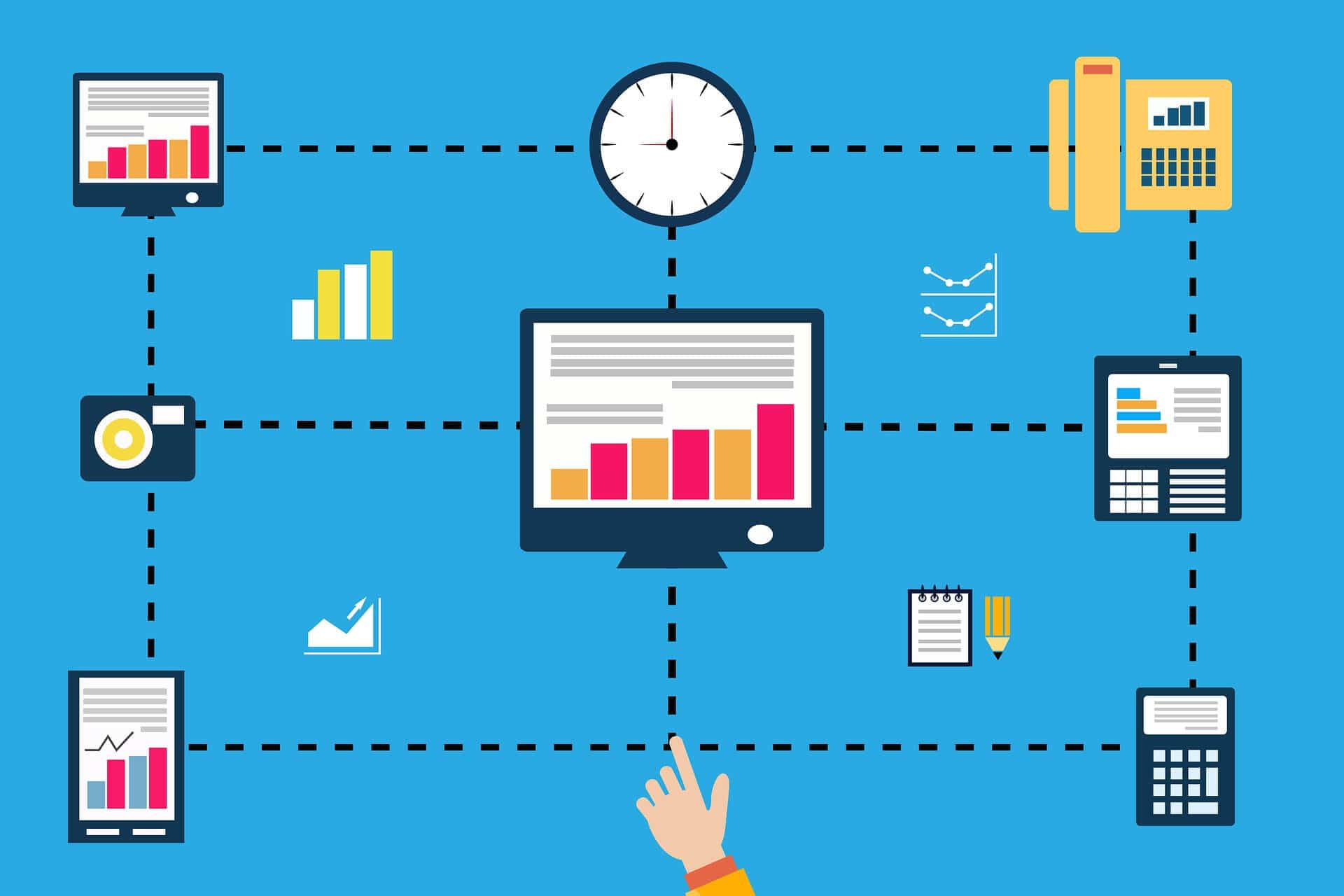
A big unknown in the industry reflects the question of What is a LIMS? A LIMS or also called a Laboratory Information Management System is software designed to streamline and centralize the way labs handle samples, data, and day-to-day workflows. In plain terms, it acts as the digital backbone of a laboratory—tracking every specimen from the moment it arrives, automating routine tasks, storing test results securely, and generating reports that keep everything compliant and efficient.
So what is a LIMS? For clinical and reference labs, the core purpose of LIMS is simple: eliminate manual chaos, reduce errors, and speed up the entire process from sample intake to final result delivery. Whether you’re processing thousands of tests daily or managing complex multi-client workflows, LIMS turns fragmented lab operations into a smooth, auditable system.
How LIMS Software Is Defined in Clinical Settings
In clinical lab environments, LIMS is specifically tailored to support high-stakes diagnostic testing while maintaining strict regulatory standards such as CLIA, HIPAA, and CAP. It manages patient specimens, test orders, and results with a strong emphasis on traceability, data integrity, and seamless integration with other healthcare systems.
Unlike research or industrial LIMS use cases—which often focus on batch testing, experimental data, or quality control in manufacturing—clinical LIMS prioritizes rapid turnaround times, patient-centric reporting, and interoperability with electronic health records. It adapts to the unique demands of diagnostic workflows, where accuracy and speed directly impact patient care.
LIMS vs. LIS: Understanding the Difference
While the terms are sometimes used interchangeably, LIMS and LIS (Laboratory Information System) have distinct focuses:
| Aspect | LIMS (Laboratory Information Management System) | LIS (Laboratory Information System) |
|---|---|---|
| Primary Focus | Sample-centric: manages samples, batches, workflows, and lab operations | Patient-centric: focuses on individual patient data, test orders, and diagnostic results |
| Typical Settings | Reference labs, high-volume testing, research, environmental, pharma, quality control | Hospital clinical labs, physician office labs (POLs), diagnostic pathology |
| Scope | Broader lab management, including inventory, compliance across industries | Clinical diagnostics, patient records, and direct healthcare integration |
| Key Strength | Workflow automation, sample tracking, multi-client handling | Patient safety, EHR integration, clinical reporting compliance |
LIMS excels at handling complex, high-throughput processes across multiple clients or test types, while LIS is optimized for patient-specific clinical workflows in traditional healthcare settings.
When Labs Use LIMS vs. LIS Software
What is a LIMS? Labs choose based on their primary workflow needs and scale:
- Choose LIMS when your operation involves high specimen volumes, multiple client accounts, batch processing, or non-hospital environments (e.g., reference labs, specialty testing facilities). It shines in scenarios requiring robust sample tracking, flexible reporting, and operational efficiency without heavy patient-record overhead.
- Choose LIS for hospital-based or purely diagnostic clinical labs where patient demographics, insurance billing, and direct EHR connectivity are the top priorities.
Many modern labs—especially growing reference labs or POLs transitioning to higher volumes—opt for LIMS because of its adaptability, automation depth, and lower long-term costs.
Core Features of Laboratory Information Management System Software
Modern LIMS software delivers essential capabilities that help labs manage samples, automate processes, and maintain data integrity. Here are the key feature categories:

Sample and Specimen Tracking
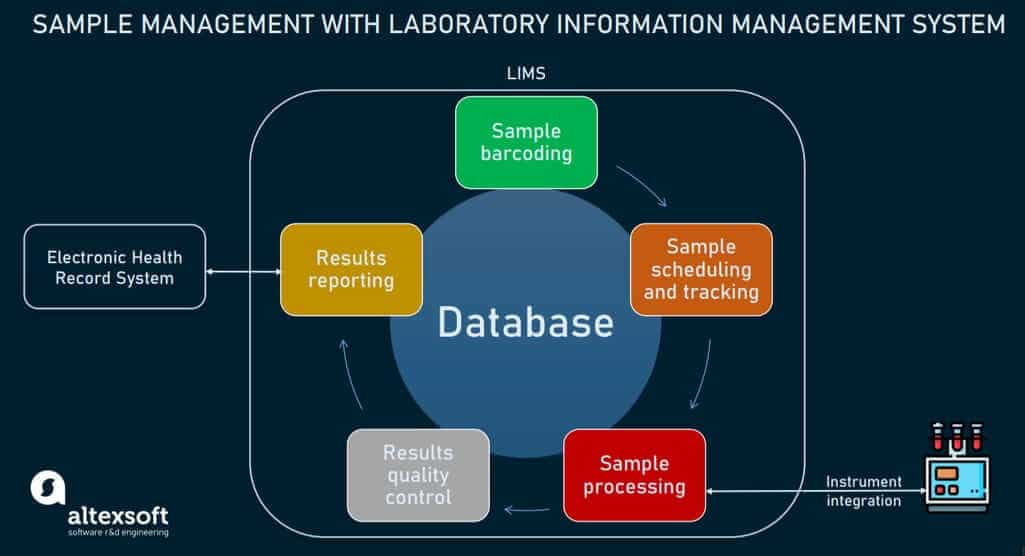
LIMS provides end-to-end visibility by tracking samples from accessioning through every processing step. Features like barcoding, chain-of-custody logging, and real-time status updates ensure nothing gets lost or mishandled. This boosts throughput, minimizes errors, and provides complete audit trails for compliance.
Automated Lab Workflow Management
LIMS automates task routing, order management, and specimen processing. It assigns work to instruments or technicians based on rules you define, reducing manual handoffs and human error while accelerating overall lab productivity.
Results Reporting and Data Management
The system captures, stores, and delivers results with built-in validation, audit trails, and quality checks. Labs benefit from faster turnaround times, fewer transcription mistakes, and easy access to historical data for trending or audits.
EHR/EMR and HL7 Integration
What is a LIMS also correlates to the EMR software sphere as well. LIMS connects seamlessly with electronic health records (EHR/EMR) via HL7 interfaces. This enables bidirectional data exchange—orders flow in automatically and results flow out—eliminating duplicate entry and speeding up physician access to critical information.
Instrument Interfaces and Middleware Support
Broad instrument support is a hallmark of strong LIMS platforms. Direct connections (or middleware) pull data straight from analyzers in real time, supporting multi-vendor environments and reducing manual data entry across your lab’s equipment fleet.
How LIMS Software Maps to Lab Workflow Stages
LIMS supports the full laboratory workflow across the three standard phases—pre-analytic, analytic, and post-analytic—creating a continuous, error-resistant process.
Pre-Analytic Phase: Intake and Order Management
During intake, LIMS handles patient/order entry, specimen labeling, barcoding, and accessioning. Automated validation checks flag issues early, preventing downstream errors before testing even begins.
Analytic Phase: Testing and Instrument Data Capture
In the analytic phase, LIMS captures results directly from instruments in real time, manages quality control (QC) samples, and routes specimens according to workflow rules. This ensures accurate data flow and immediate alerts for any anomalies.
Post-Analytic Phase: Reporting and Result Delivery
LIMS finalizes results with review/approval workflows, then routes reports to providers via web portals, fax, or direct EHR delivery. It supports compliant, fast distribution while maintaining full auditability.
Cloud-Based LIMS vs. Legacy Client/Server Systems
Traditional client/server (on-premise) systems require local hardware, dedicated servers, and in-house IT management. Cloud-based SaaS LIMS, by contrast, runs on secure remote infrastructure with browser-based access.
Cloud platforms offer instant scalability, automatic updates, and anywhere-access without the burden of maintaining physical servers or dealing with version upgrades.
The Hidden Costs of On-Premise LIS Systems
Legacy on-premise LIS solutions often carry significant hidden expenses:
- High upfront hardware and server costs
- Ongoing IT staffing and maintenance contracts
- Expensive, time-consuming software upgrades
- Facility costs for server rooms and environmental controls
- Downtime risks during patches or failures
These factors inflate the total cost of ownership and limit flexibility as lab volume grows.
Benefits of a SaaS LIMS Platform
Cloud-based SaaS LIMS delivers clear advantages:
- Zero hardware investment — No servers or on-site infrastructure required
- Remote access — Lab teams and clients can securely view data from anywhere
- Automatic updates — New features and security patches roll out without disruption
- Built-in HIPAA compliance — Enterprise-grade security and audit controls
- Lower cost per test — Subscription pricing scales with usage and reduces overhead
Labs using SaaS LIMS typically see faster ROI through reduced IT burden and improved operational efficiency.
Laboratory Information Management System Examples and Use Cases
Reference Labs and High-Volume Testing Environments
As we answer the question of what is a LIMS we continue on with examples. Reference labs processing large specimen volumes from multiple clients rely on LIMS to manage complex routing, multi-account billing, custom reporting, and high-throughput automation. The system handles thousands of daily samples while maintaining chain-of-custody and rapid turnaround for outreach clients.
Physician Office Labs (POLs) and Small Clinical Labs
Smaller POLs and clinical labs benefit enormously from LIMS by simplifying workflows, cutting administrative overhead, and eliminating the need for dedicated IT infrastructure. Cloud deployment lets these labs focus on testing instead of technology management, while still meeting all compliance requirements.
What to Look for When Evaluating LIMS Software
We have solved the question of what is a LIMS. When selecting a LIMS, labs should evaluate:
- Integration depth — Strong HL7/EHR and instrument interface support
- Scalability — Ability to grow with testing volume and new test types
- Vendor support & training — Responsive implementation and ongoing help
- Compliance features — Built-in tools for HIPAA, CLIA, CAP, and audit trails
- Cloud architecture — Modern SaaS delivery for lower costs and easier maintenance
- Workflow customization — Flexibility to match your specific lab processes
Conclusion: Modernizing Your Lab with the Right LIMS
Adopting a modern LIMS transforms laboratory operations from reactive and manual to proactive, automated, and efficient. By choosing a cloud-based SaaS platform, labs reduce costs, improve accuracy, accelerate results delivery, and future-proof their operations against growing test volumes and regulatory demands. Wikipedia has a great explanation that is an extra resource.
If your lab is still relying on outdated systems or paper-based processes, now is the time to evaluate cloud LIMS options. The right solution doesn’t just manage data—it empowers your team to deliver faster, higher-quality results while cutting hidden operational expenses. Ready to modernize? The labs that move first gain the biggest competitive edge.
Frequently asked questions
What is the main difference between LIMS and LIS?
LIMS is sample- and workflow-centric, ideal for high-volume reference labs and multi-client operations. LIS is patient-centric and primarily used in hospital or diagnostic settings focused on individual test results and direct clinical care.
Does LIMS integrate with EHR/EMR systems?
Yes. Modern LIMS platforms use HL7 interfaces for seamless bidirectional data exchange, allowing orders to flow in automatically and results to be delivered directly into patient records without manual re-entry.
Is cloud-based (SaaS) LIMS secure and HIPAA compliant?
Absolutely. Leading SaaS LIMS solutions are built with enterprise-grade encryption, role-based access controls, audit logging, and full HIPAA compliance out of the box—no extra hardware or security overhead required.
How long does it typically take to implement a LIMS?
Implementation timelines vary by lab size and complexity. Cloud-based LIMS can often go live in 4–12 weeks, including data migration, instrument interfacing, and staff training—far faster than legacy on-premise systems.
What are the real cost savings of switching to SaaS LIMS?
Labs typically eliminate hardware purchases, server maintenance, dedicated IT staff, and costly upgrades. Subscription pricing scales with usage, often resulting in a significantly lower cost per test and faster return on investment.
Can small labs or physician office labs (POLs) benefit from LIMS?
Yes. Cloud LIMS removes the need for on-site servers and IT expertise, simplifying workflows, reducing errors, and enabling small labs to operate with the same efficiency and compliance as larger facilities.
How does LIMS improve lab turnaround time (TAT)?
Compare a current, written quote that identifies the platform, interfaces, modules, implementation responsibilities, and any third-party charges. Do not assume another laboratory’s costs or results apply to your configuration.